Find a clearer answer.

Explore models, agents, infrastructure and practical guides.

The latest thinking.

News, analysis and practical ideas for a fast-moving field.

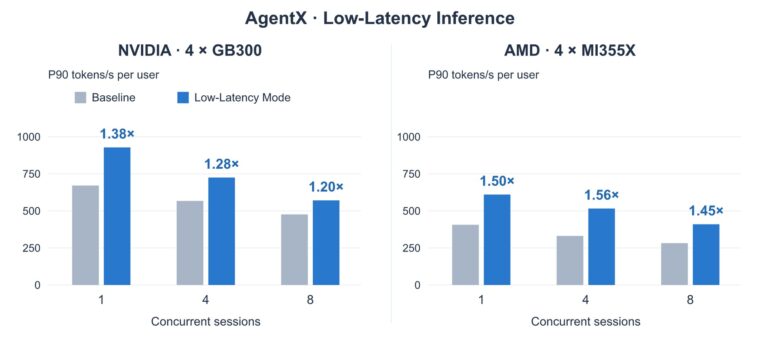
SGLang targets the waiting time between agent steps

SGLang's Low-Latency Mode introduces specialized kernels through a plugin framework. Its results highlight an inference workload where reducing delay for a few active sessions can matter more than maximizing a server's total throughput.

Browser Use draws a useful boundary around browser agents

Browser Use's October explainer frames browser automation as an observation-and-action loop. That model helps identify where an agent is useful and where a direct interface or a predictable script remains easier to operate.

DeepSeek opens search as a separate building block

DeepSeek's search API gives developers another retrieval option for agents and knowledge tools. The important evaluation is whether it finds timely, inspectable evidence for the questions the application actually needs to answer.

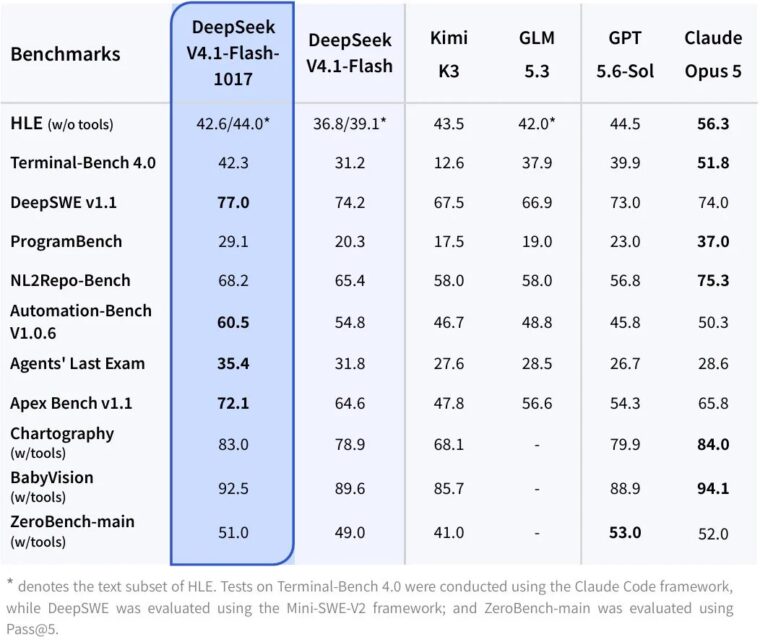
DeepSeek Flash changes behind a familiar API name

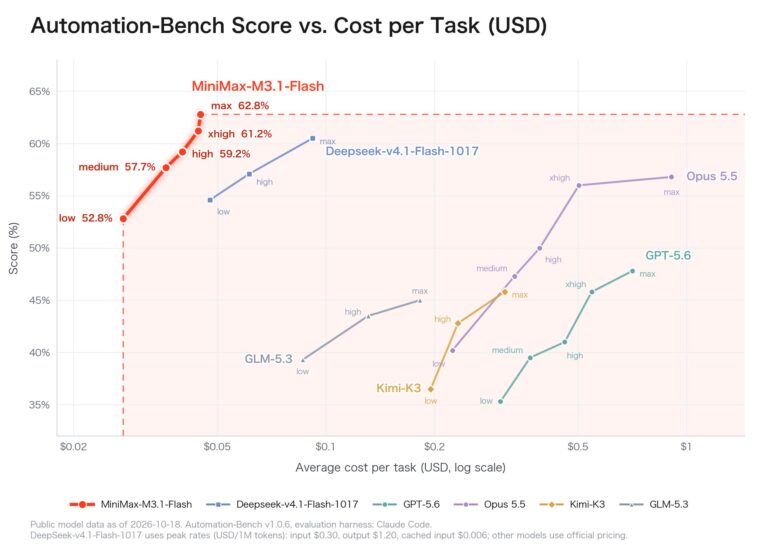
DeepSeek's October update keeps the same API name and pricing while changing the model behind it. That simplifies access, but it also makes behavioral checks important for applications that depend on consistent outputs.

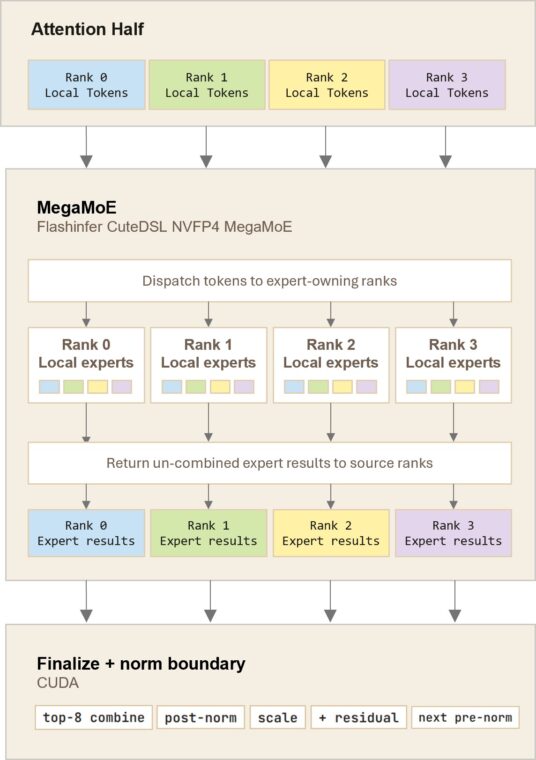
Beam’s launch puts serving software beside the model

vLLM announced immediate support for Reflection's Beam, including tool calling and structured output. The release shows why a new model's usability depends on parsers, kernels, and workload-specific serving behavior.

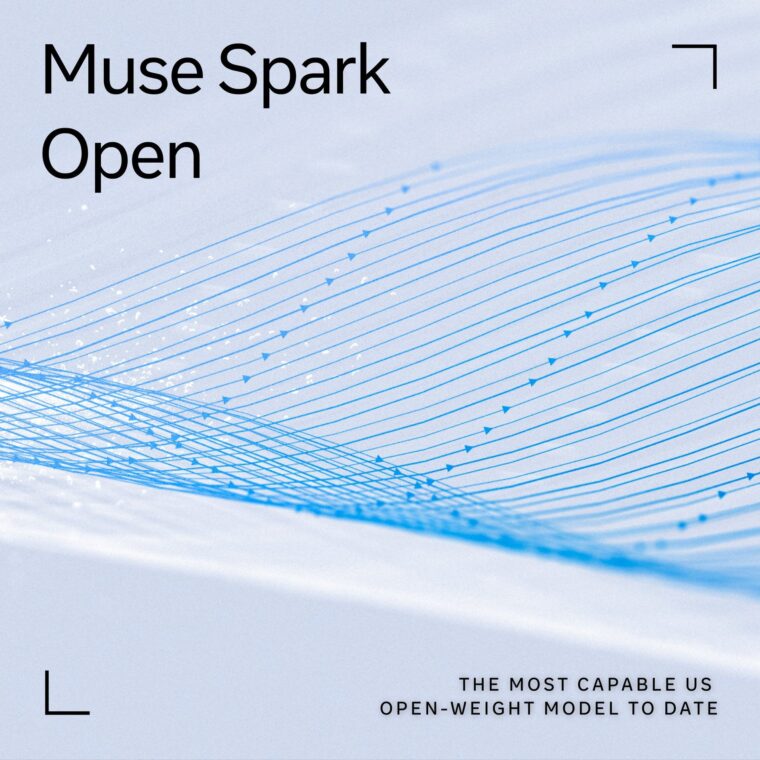
Muse Spark Open arrives with a customization stack

Meta's open-weight release pairs a large multimodal model with serving and training support. For organizations considering customization, the surrounding software matters as much as the ability to download the weights.

NVIDIA spreads Nemotron across the server and the device

The Nemotron expansion pairs a larger multimodal model with smaller local options. It encourages teams to design different roles for different machines instead of assuming one model should handle every part of an agent workflow.