Find a clearer answer.

Explore models, agents, infrastructure and practical guides.

Guides

Practical ways to evaluate tools, improve workflows and make informed decisions.

Build an agent evaluation set before you train

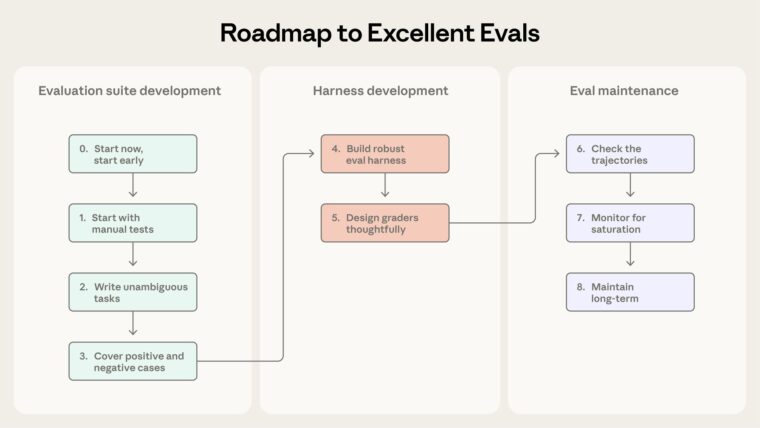
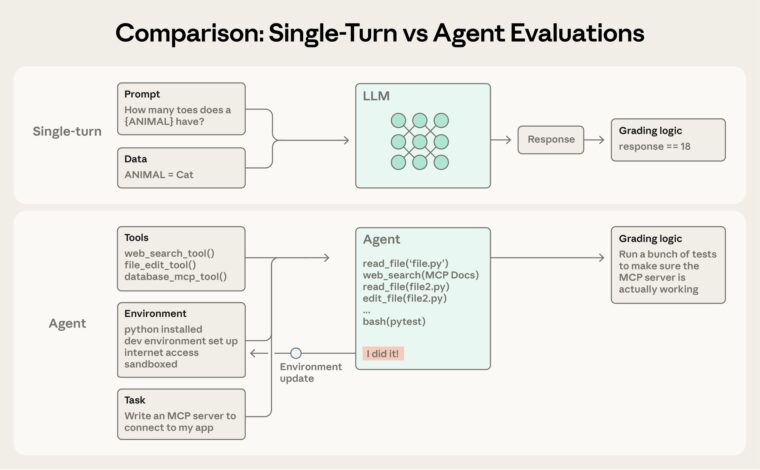
A useful evaluation set makes improvement measurable before a team changes models or pays for post-training. This practical workflow starts with real tasks, reliable graders, and a separate acceptance set.
Give long-running agents a context budget

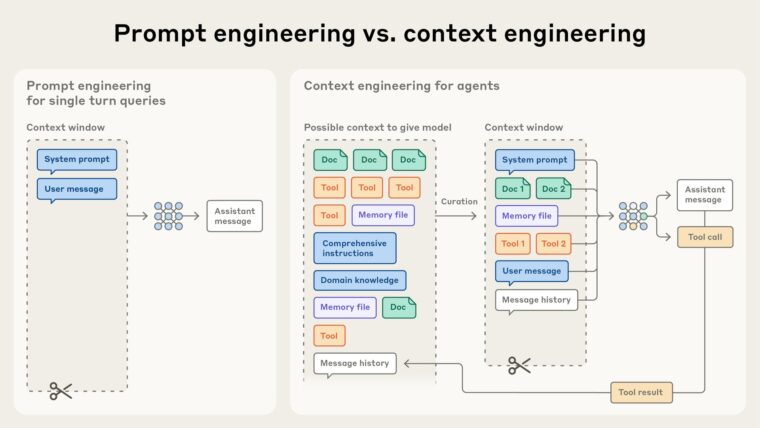
Large context windows do not remove the need to manage information. Separate relevance, latency, and spending, then decide what an agent should retain, summarize, retrieve, or leave behind during a task.

A practical first evaluation for an AI agent

Before connecting an agent to live work, test the outcome, the boundaries, and the recovery path. This starter method turns a broad product promise into a small set of inspectable trials.

An always-on agent needs durable state and a stopping rule

OpenRouter published an always-on agent example built around scheduled checks, persistent memory, and spending limits. The design highlights the operational details that determine whether a background assistant remains useful after its first successful run.

Figma Weave makes creative workflows visible and reusable

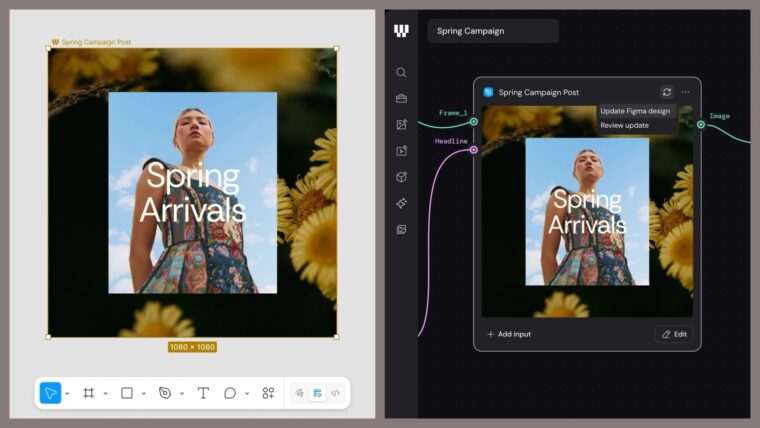
Figma outlined how Weave connects generation and editing into reusable creative workflows. The opportunity is to preserve team processes across variants while keeping visual judgment and final review in human hands.