ExecuTorch brings PyTorch models to browser GPUs
The WebGPU backend gives PyTorch developers a browser deployment path. This article explains how it works and what to check before using it.
Practical ways to evaluate tools, improve workflows and make informed decisions.
The WebGPU backend gives PyTorch developers a browser deployment path. This article explains how it works and what to check before using it.
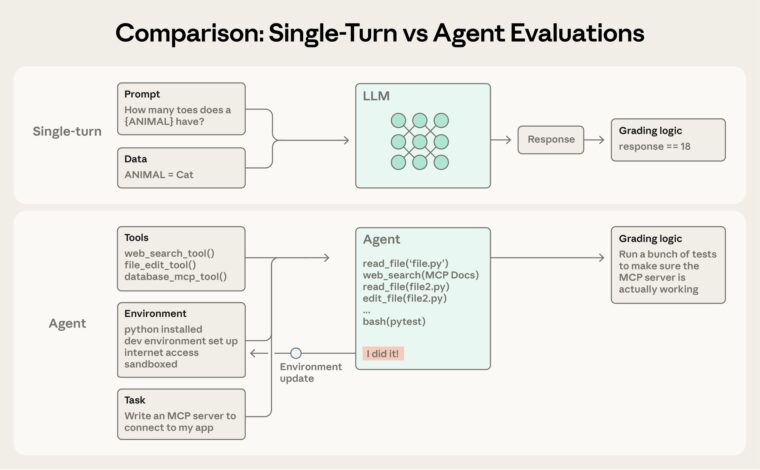
Before connecting an agent to live work, test the outcome, the boundaries, and the recovery path. This starter method turns a broad product promise into a small set of inspectable trials.
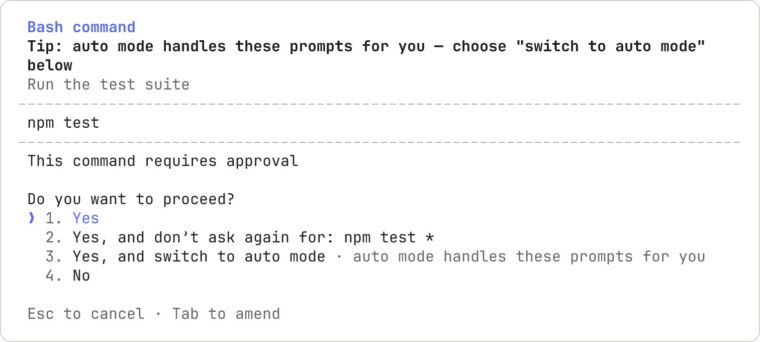
A useful permissions policy distinguishes local development from actions that affect other people. Define the boundary, make approvals specific, and test what happens when an operation is denied.
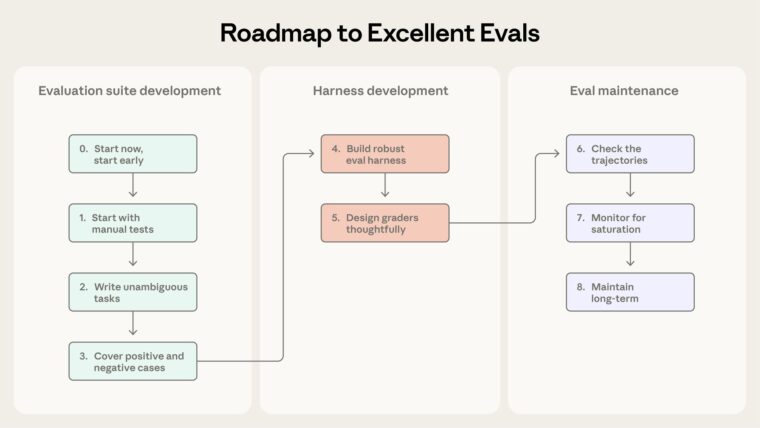
A useful evaluation set makes improvement measurable before a team changes models or pays for post-training. This practical workflow starts with real tasks, reliable graders, and a separate acceptance set.
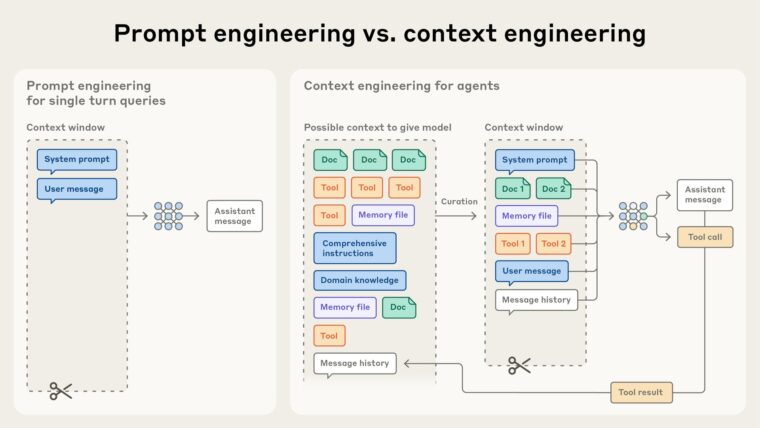
Large context windows do not remove the need to manage information. Separate relevance, latency, and spending, then decide what an agent should retain, summarize, retrieve, or leave behind during a task.
OpenRouter released a code-review tutorial that uses a sandbox to investigate suspected bugs. Reproducible evidence can improve review quality, but a demonstrated defect and a verified repair remain separate milestones.
OpenRouter published an always-on agent example built around scheduled checks, persistent memory, and spending limits. The design highlights the operational details that determine whether a background assistant remains useful after its first successful run.
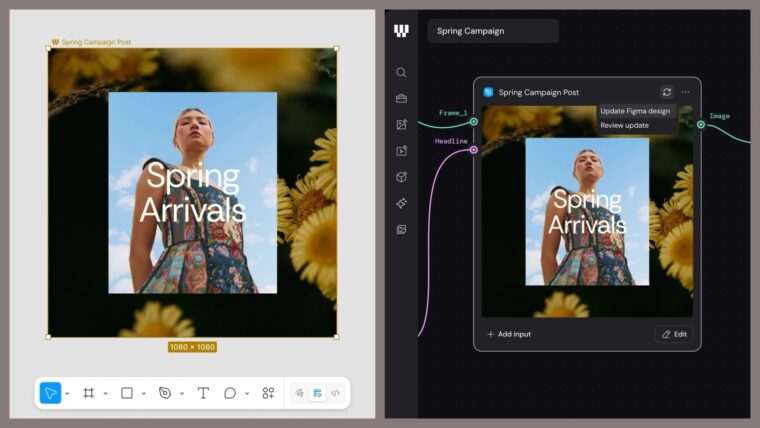
Figma outlined how Weave connects generation and editing into reusable creative workflows. The opportunity is to preserve team processes across variants while keeping visual judgment and final review in human hands.