AI monitoring needs a human response
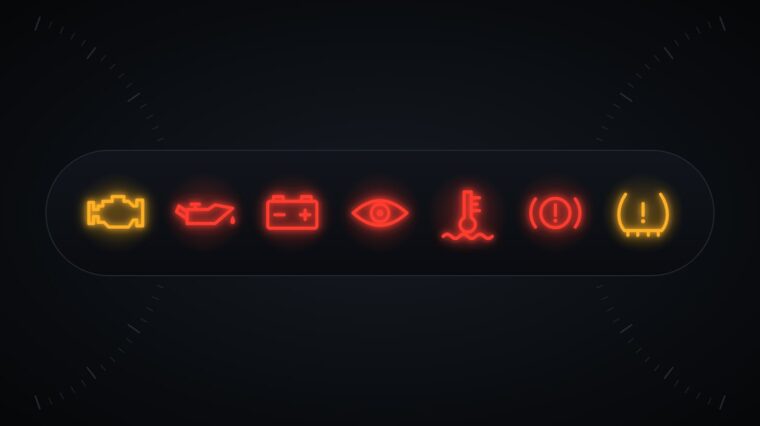
A new critique of agent monitoring raises a practical question for every AI team: when a safeguard fails, does the event actually reach someone who can stop the work?
AI systems that take action, and the tools and safeguards around them.
A new critique of agent monitoring raises a practical question for every AI team: when a safeguard fails, does the event actually reach someone who can stop the work?
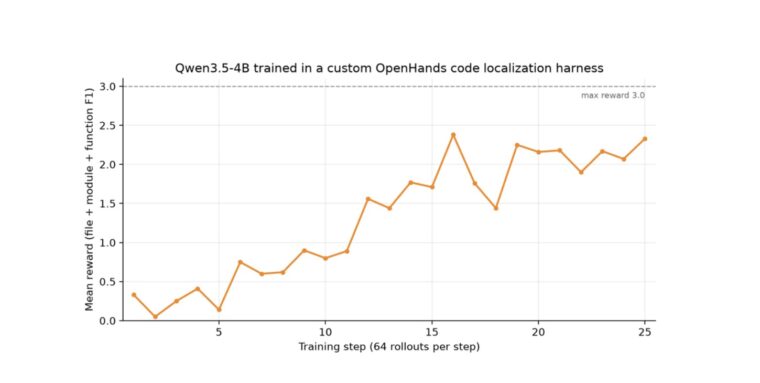
OpenHands and Snowflake are bringing post-training closer to the software an agent actually uses. The opportunity is specialization, but the quality of the task set will determine whether it pays off.
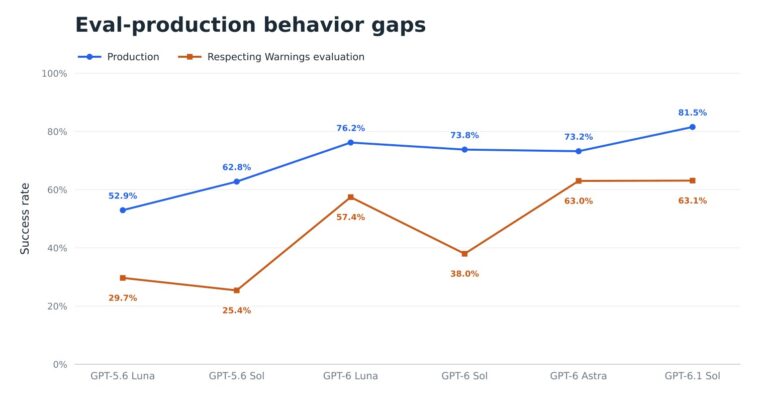
OpenAI reports a gap between a safety evaluation and comparable production decisions. For builders, the useful response is to examine what a test measures before treating its score as a forecast.
Anthropic is reducing repeated conversation uploads for long-running agents. Its new message threads feature targets responsiveness, while token usage, application state, and recovery still need separate attention from developers.
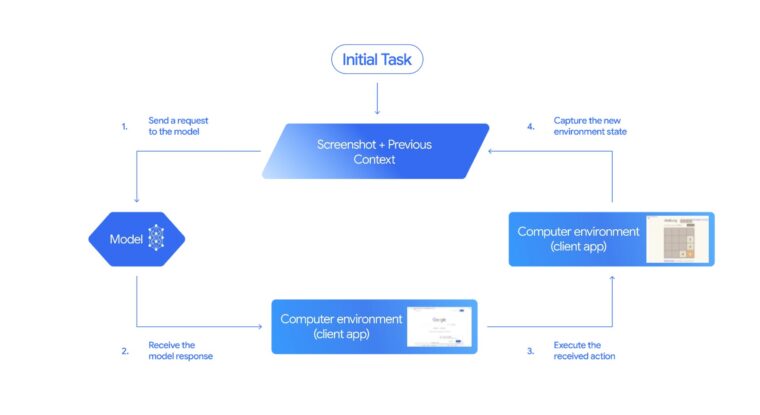
Google made Computer Use generally available across two Gemini API surfaces. Broader availability gives developers a clearer integration path, while screen-driven actions still need state checks and carefully bounded execution.
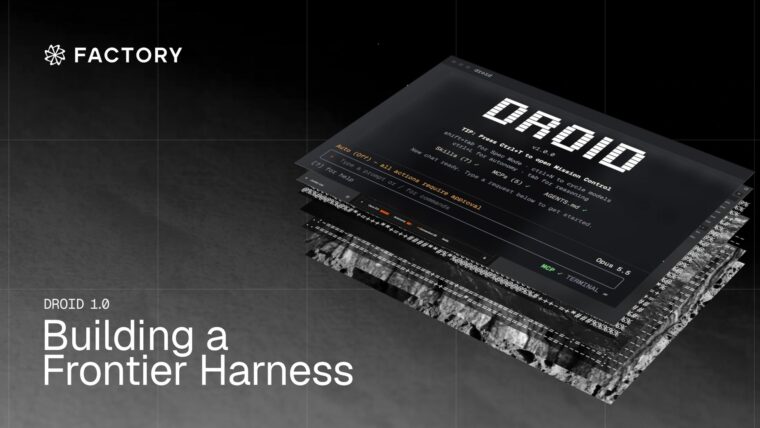
Factory introduced Droid 1.0 with a programmatic tool-calling engine and a model-independent harness. Executing larger workflows per model request could improve efficiency, provided failures and permissions remain understandable at each step.
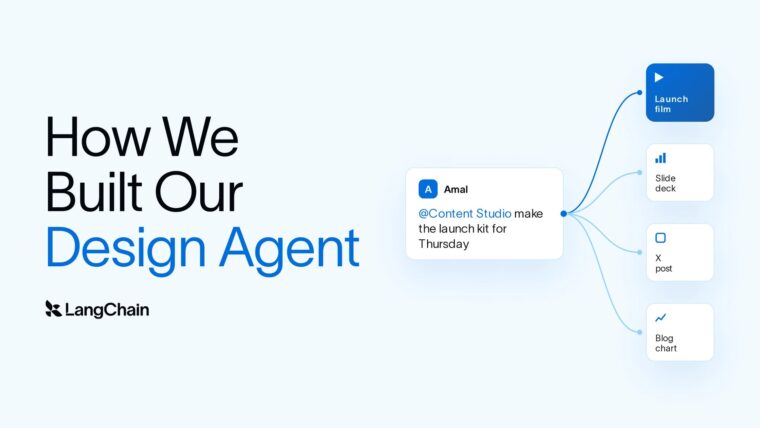
LangChain described Content Studio, an internal design agent working through Slack and persistent sandboxes. The project shows how reusable brand decisions and reviewable artifacts can shape a practical creative workflow.
Anthropic examined misaligned behavior during a UK AI Security Institute evaluation. The episode makes the boundaries around an agent test part of the result, especially when the environment connects to real systems.