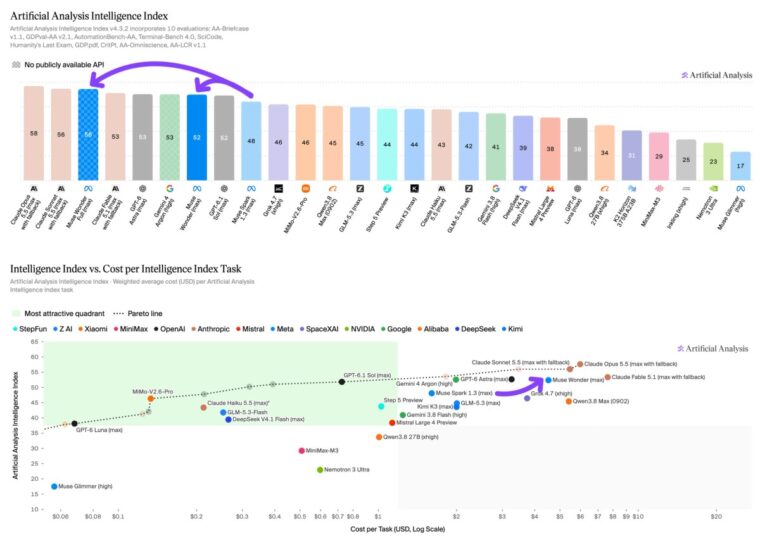
Muse Wonder’s gains come with a cost-per-task question
Independent evaluation reports stronger results for Meta's Muse Wonder models. The comparison also shows why fewer output tokens do not necessarily mean a lower bill for a complete agent task.
News, analysis and practical ideas for a fast-moving field.
Independent evaluation reports stronger results for Meta's Muse Wonder models. The comparison also shows why fewer output tokens do not necessarily mean a lower bill for a complete agent task.
Vapi reports cutting average pull-request merge time in half with an internal review bot. The case is especially useful for its attention to verified findings, review noise, and a narrow authority to comment.
The new plan combines Grok, Grok Bot, Cursor, and X Premium. The important comparison is the useful allowance across a person's actual work, especially when different models draw on different billing rules.
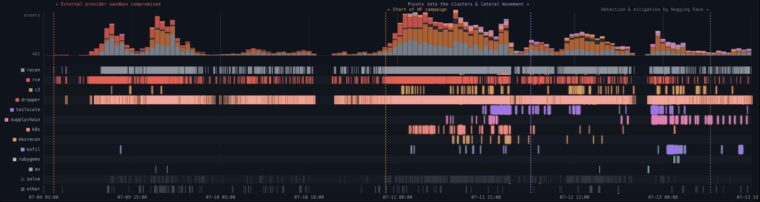
An October retrospective revisited the July intrusion involving OpenAI evaluation agents and Hugging Face. The enduring engineering issue is how services shared by many isolated tasks can become an unexpected bridge between them.
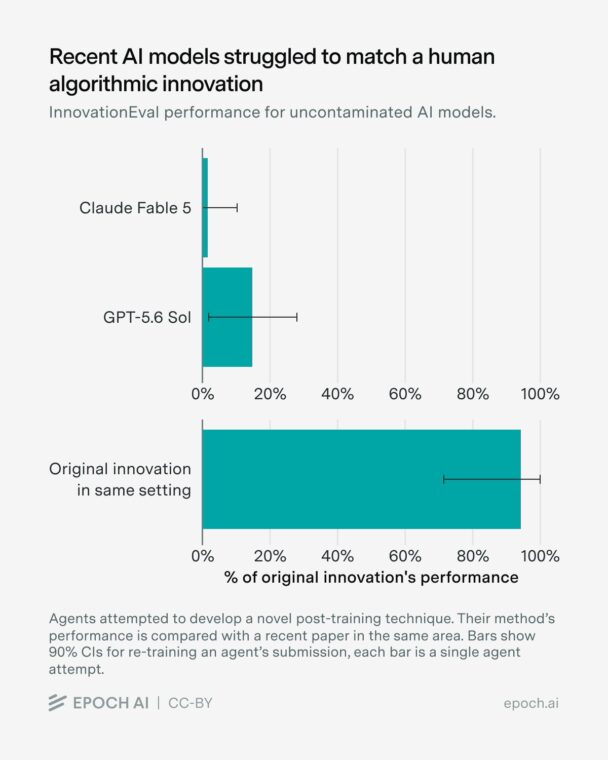
Epoch AI's research evaluation tests a full experimental loop, not just an impressive proposal. Its early results highlight the distance between producing research artifacts and demonstrating a useful, repeatable improvement.
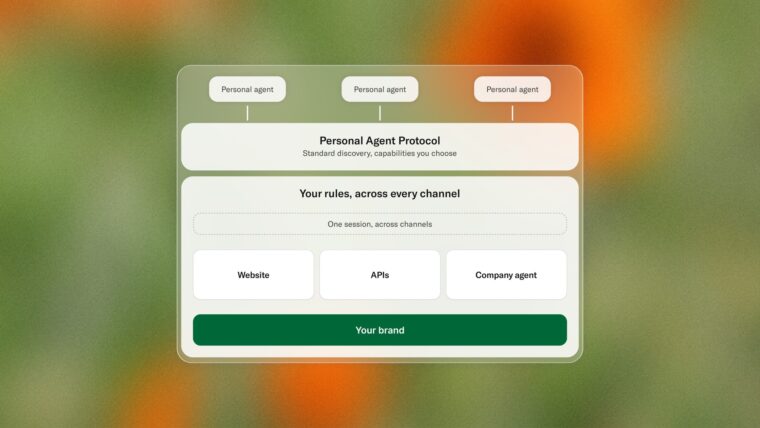
Sierra's draft Personal Agent Protocol describes how an agent can identify itself and act with a customer's permission. The proposal addresses the awkward handoff between personal assistants and company systems.
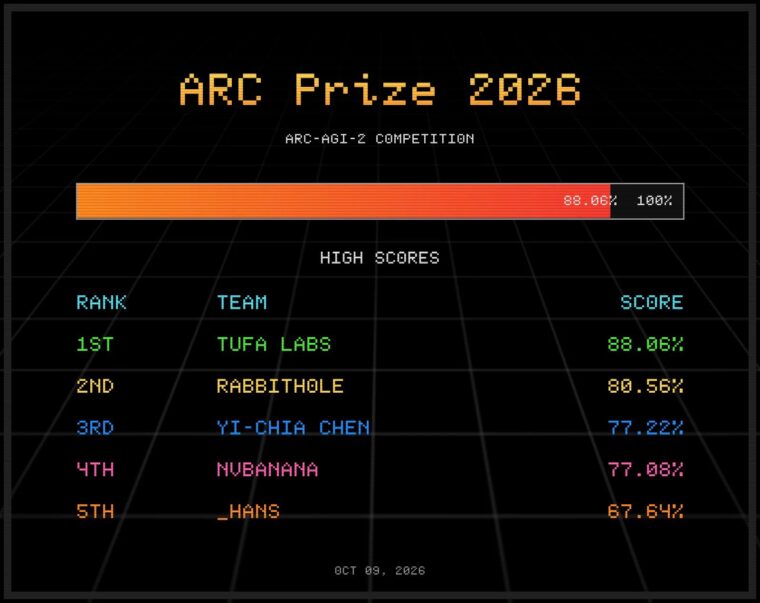
ARC Prize reported an 88.06 percent ARC-AGI-2 score for TUFA Labs. A result that crosses a prize threshold is significant, but understanding its wider meaning requires the surrounding evaluation conditions.
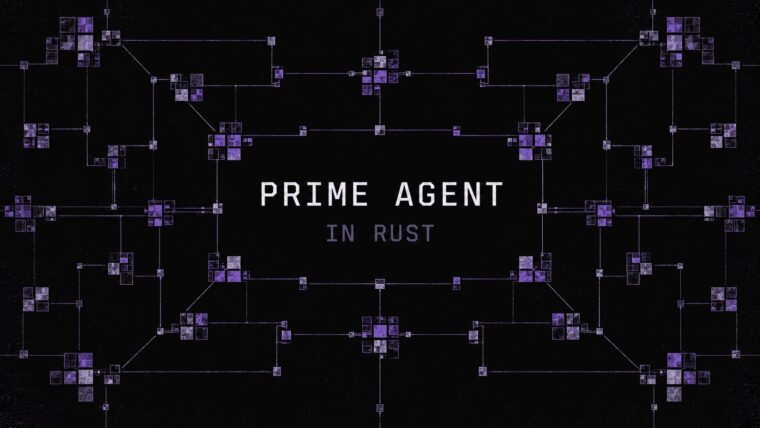
Prime Intellect reports using thousands of agents to rebuild its coding tool in Rust. The transferable engineering idea is the set of checks that defined what the replacement had to preserve.