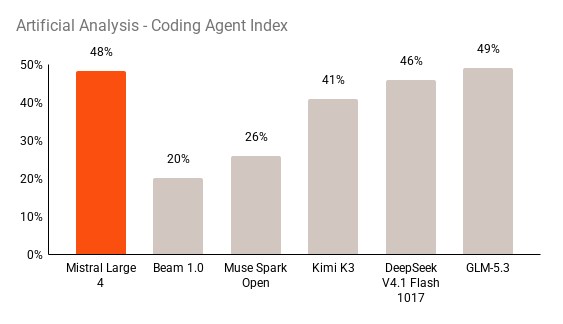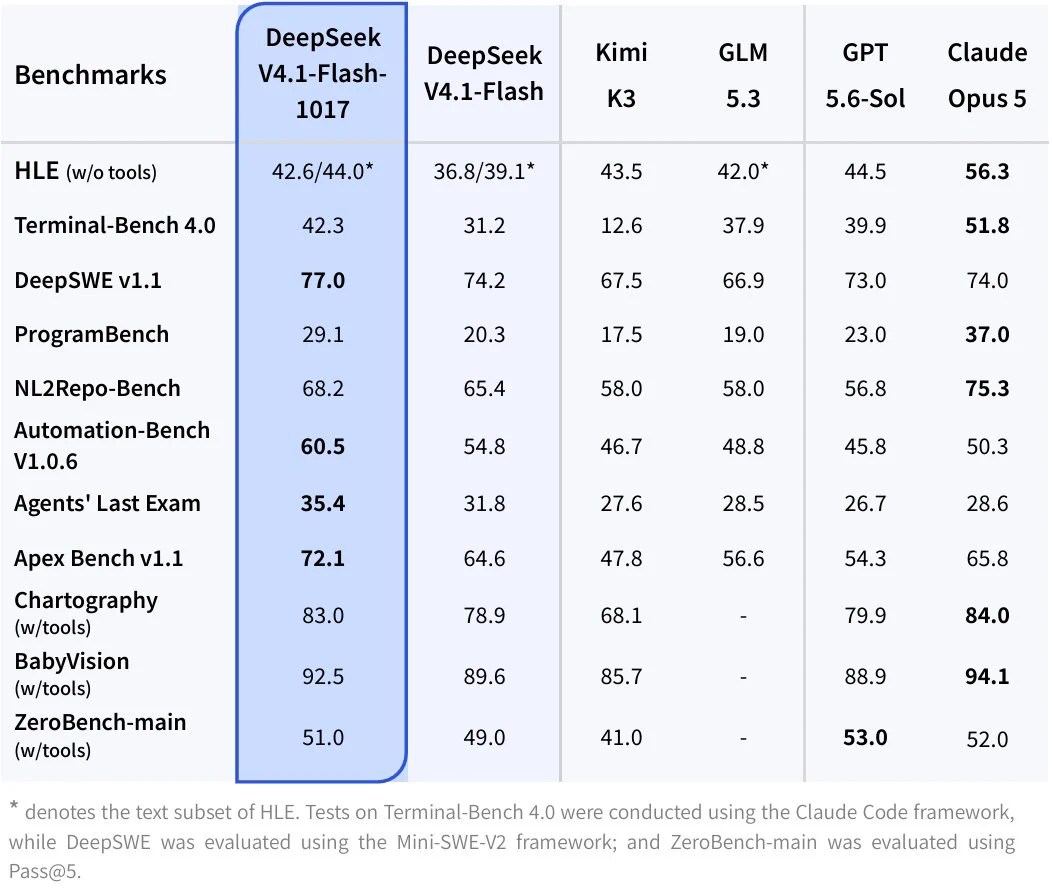
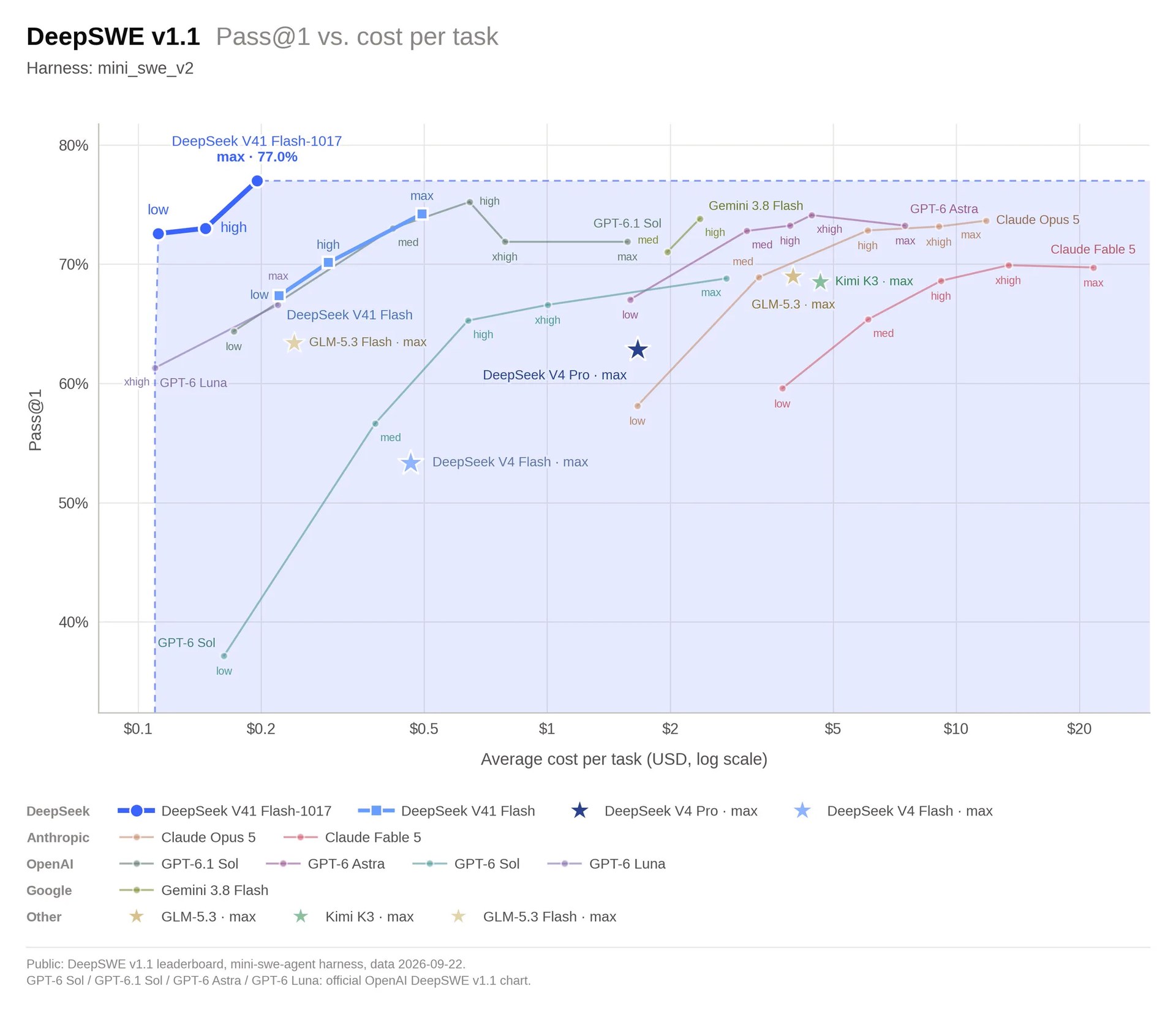
DeepSeek updated V4.1 Flash to the October 17 version across its web application, mobile application, and API. The release note says the API calling method and price remain unchanged, with the latest model still available through the deepseek-flash name. DeepSeek reports improvements across several evaluations and shorter task execution and output in its testing.
A stable API name reduces migration work. It also means a working request can begin producing different behavior without an application changing its own code. That is not necessarily a problem, but it changes how teams should think about operational continuity.
Compatibility has more than one layer
Transport compatibility means the request still reaches the service and the response still follows the expected shape. Behavioral compatibility asks whether the application gets the same kind of answer: a concise label, a complete extraction, or a correctly formed tool call. An upgrade can preserve the first while changing the second.
For a structured extraction workflow, keep a small set of documents with known expected fields. Run them after a model update and compare omissions, formatting, and treatment of uncertainty. For an assistant that uses tools, inspect whether the sequence of actions remains appropriate when information is missing or a tool returns an error.
Shorter output can have several meanings
Reduced output length can lower delay and consumption, but brevity alone is not a quality measure. A summary may become more efficient by removing repetition, or less useful by omitting an exception. A task may finish sooner because the model finds a better path, or because it stops before completing the last step.
Define the required result before comparing the new version. Count completed tasks, necessary corrections, and the time until a usable artifact is ready. This lets a team distinguish a real workflow improvement from a change in presentation.
Keep a change record around aliases
When a provider updates a named model alias, record the date of the comparison and the observed version information available from the service. Preserve representative failures and successes with the surrounding prompt and tool configuration. That record helps explain a later change in customer experience even when the application’s deployment history is unchanged.
A staged evaluation can begin with internal traffic or a limited task category. If the new behavior is beneficial, expand deliberately. If it is unexpected, a team should be able to adjust the prompt, restrict a workflow, or choose another supported path.
The Flash update offers a convenient route to improved capability. Its operational lesson is that an unchanged endpoint is an interface guarantee, not evidence that every behavior above it will remain identical.
Have a correction or a useful perspective?
Get in touch with the publication.