Google launches Gemini 4 Hydrogen for everyday coding and agent work
Google’s new model brings four reasoning levels and wide availability, while its enterprise documentation sets out a shared input and output limit.
News, analysis and practical ideas for a fast-moving field.
Google’s new model brings four reasoning levels and wide availability, while its enterprise documentation sets out a shared input and output limit.
Google’s new endpoint returns scored choices for agent workflows, with shared input billing and no generated output tokens.
The WebGPU backend gives PyTorch developers a browser deployment path. This article explains how it works and what to check before using it.
Anthropic reports better coding scores and working electronic prototypes, while its research papers show the human work and test conditions behind the results.
The partners plan to split AI inference between NVIDIA GPUs and Rebellions processors, with R200 systems expected to be ready for deployment in 2028.
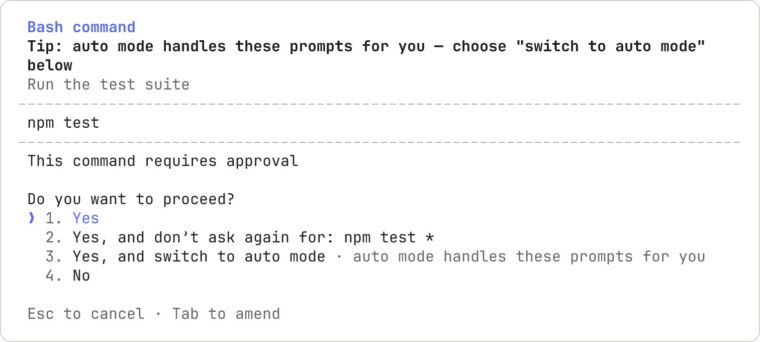
A useful permissions policy distinguishes local development from actions that affect other people. Define the boundary, make approvals specific, and test what happens when an operation is denied.
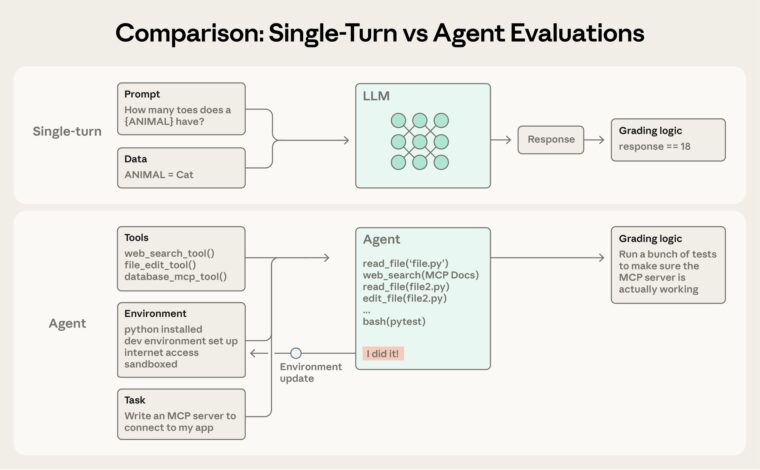
Before connecting an agent to live work, test the outcome, the boundaries, and the recovery path. This starter method turns a broad product promise into a small set of inspectable trials.
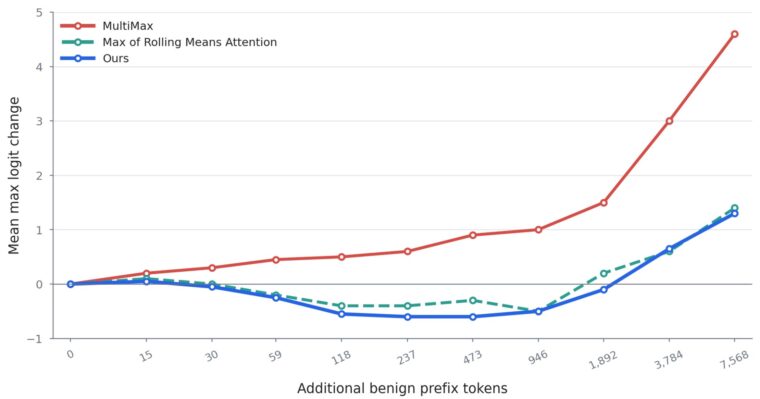
Activation probes inspect internal model signals while a response is generated. The technique offers another point of intervention, but it also creates questions about coverage, model changes, and operational ownership.