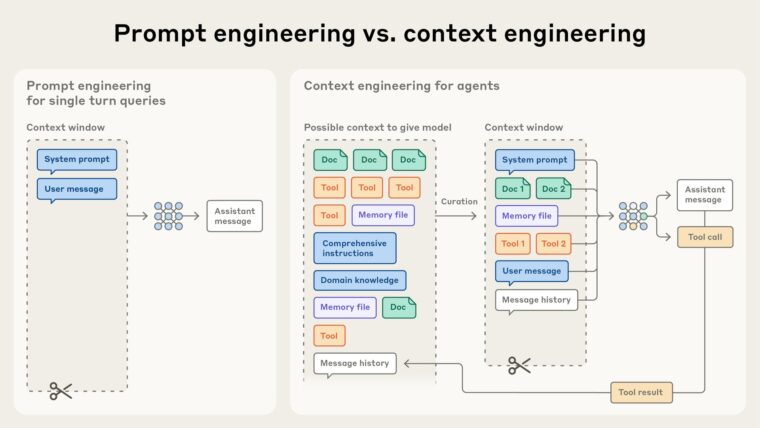
Give long-running agents a context budget
Large context windows do not remove the need to manage information. Separate relevance, latency, and spending, then decide what an agent should retain, summarize, retrieve, or leave behind during a task.
News, analysis and practical ideas for a fast-moving field.
Large context windows do not remove the need to manage information. Separate relevance, latency, and spending, then decide what an agent should retain, summarize, retrieve, or leave behind during a task.
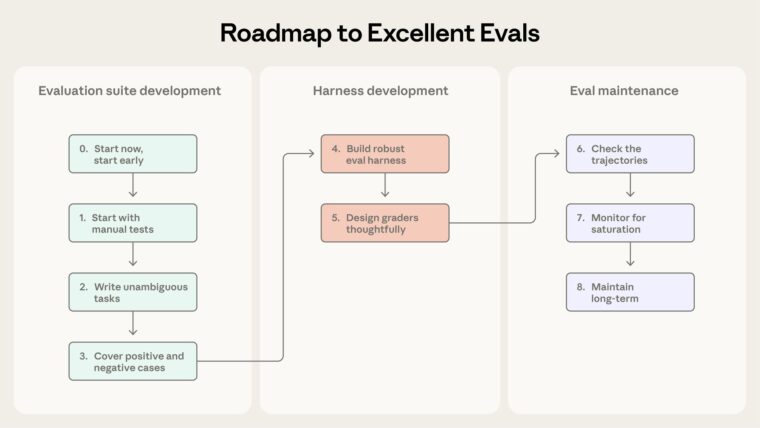
A useful evaluation set makes improvement measurable before a team changes models or pays for post-training. This practical workflow starts with real tasks, reliable graders, and a separate acceptance set.
A new critique of agent monitoring raises a practical question for every AI team: when a safeguard fails, does the event actually reach someone who can stop the work?
Cognition published a security guide focused on practical controls across corporate accounts, developer machines, dependencies, and infrastructure. The recommendations matter as agents gain access to the same tools and credentials developers use.
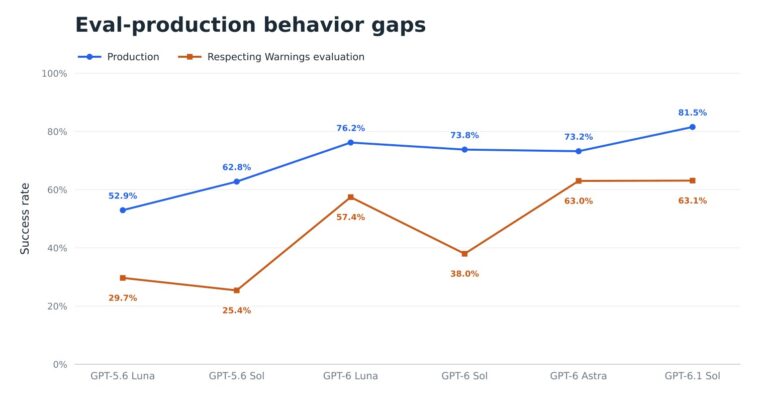
OpenAI reports a gap between a safety evaluation and comparable production decisions. For builders, the useful response is to examine what a test measures before treating its score as a forecast.
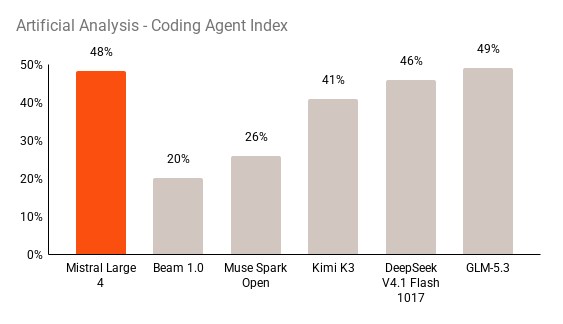
Mistral’s latest open-weight release gives teams another way to control inference. Choosing it requires a closer look at infrastructure, licensing, and workload-specific evaluation than a benchmark headline can provide.
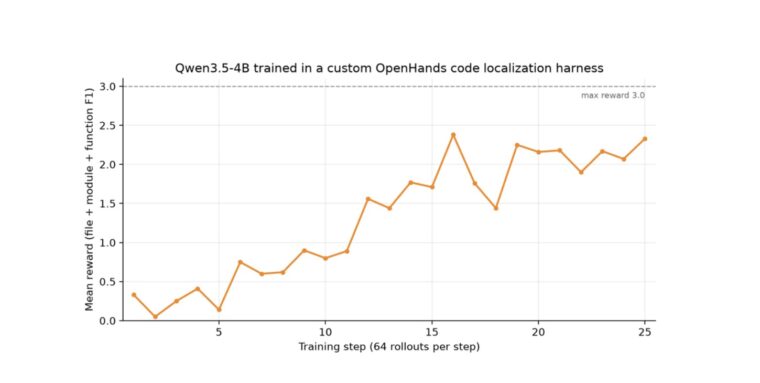
OpenHands and Snowflake are bringing post-training closer to the software an agent actually uses. The opportunity is specialization, but the quality of the task set will determine whether it pays off.
OpenAI announced Grid Protectors, a program intended to reduce campus electricity demand during grid stress. Its practical significance will depend on enforceable commitments, response capability, and the costs allocated to other customers.