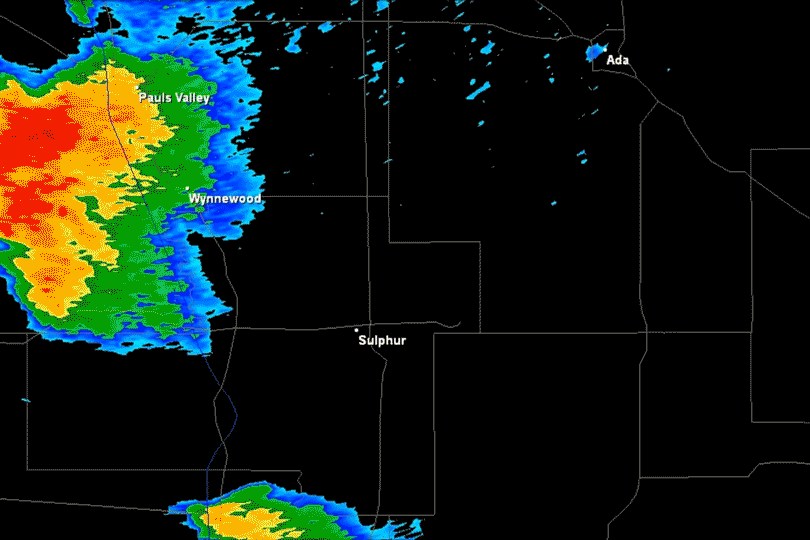
A team including MIT researchers reported a machine-learning method that improves weather forecasts two to six weeks ahead. The October 14 account describes a post-processing model that learns errors in existing forecasts and adjusts their output. Applied to a leading forecasting system, the approach reportedly doubled accuracy over that horizon and placed first in an international forecasting competition.
The result concerns a particular forecast range and evaluation. It should not be read as a promise to know the exact weather at any location a month in advance. The practical attraction is more useful information at a planning horizon where organizations often need to make decisions before short-term forecasts become dependable.
Improvement can happen after prediction
The approach is interesting because it works on the output of an established forecasting system. That gives AI a specific job: learn recurring patterns in the errors. It does not require treating every component of the original system as obsolete.
This pattern has a broader engineering lesson. When a system already performs useful work, a targeted correction layer can be easier to evaluate than a complete replacement. The comparison is explicit: the original output versus the adjusted output under the same conditions. That structure helps reveal where the added model improves performance and where it does not.
A better score must change a decision
For an organization using weather information, the value depends on the action it can take. An energy operator may use a broad indication of unusual temperatures to review staffing or fuel availability. An event organizer may only be able to choose between contingency plans. These are different decisions with different costs for false alarms and missed events.
A useful deployment study would therefore examine outcomes at the decision threshold. How often would the new forecast have changed the plan? When it changed the plan, was that change helpful? A gain in average accuracy can be valuable while still requiring careful interpretation for rare, high-impact events.
A single headline result can hide substantial differences between locations, seasons, and weather variables. Operational users need to know the conditions under which the correction is dependable. Historical evaluation should keep later periods separate from the data used to develop the model, and performance should be reviewed when the underlying forecasting system changes.
The research points to a productive role for machine learning in a mature scientific workflow: identifying systematic error and making an existing tool more useful. The next step is translating the measured improvement into decisions that remain understandable to forecasters and the organizations relying on them.
Have a correction or a useful perspective?
Get in touch with the publication.