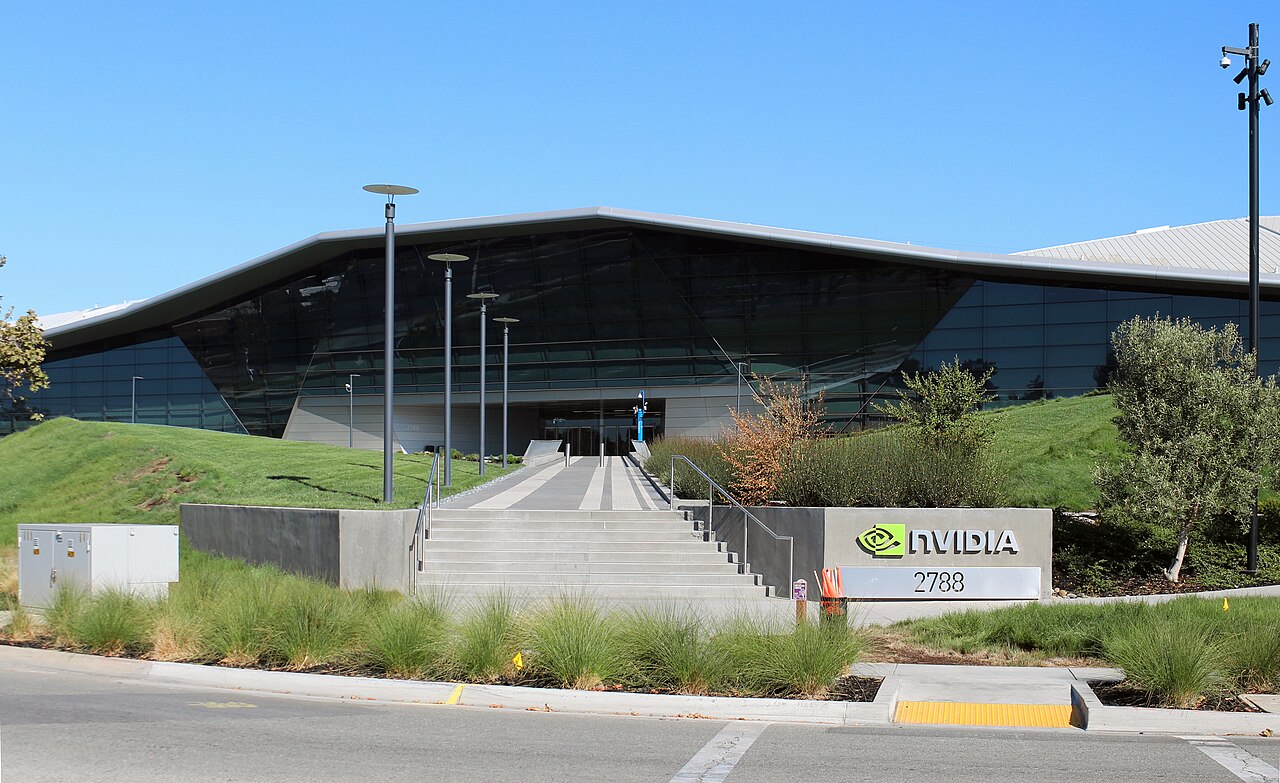
SK Telecom, NVIDIA and Korean chipmaker Rebellions have agreed to develop and validate a system that combines GPUs with Rebellions' next-generation neural processing units. SK Telecom announced the agreement on November 9 at NVIDIA AI Day Seoul, describing a plan to connect the two kinds of chips inside a shared infrastructure design. [1]
Rebellions' Rebel R200 processors would connect through NVIDIA's NVLink Fusion technology, with NVIDIA's MGX rack architecture providing the system design framework. SK Telecom plans to deploy the resulting systems in its AI data center. NVIDIA says R200 systems are expected to be ready for deployment in 2028. [2]
Why divide the work between two chips?
The proposed division follows two different stages of generating an AI response. Prefill processes the incoming prompt and builds the context the model will use. Decode then produces output tokens one at a time. Those stages put different demands on a server: prefill is generally compute-intensive, while decode depends heavily on moving data quickly through memory. [3]
The partners plan to assign prefill to NVIDIA GPUs and decode to Rebellions NPUs. They aim to improve processing speed and power efficiency by matching each stage to suitable hardware. These are development targets; the announcements do not provide a measured performance comparison for a deployed R200 system. [1, 2]
Separating the stages also creates work for the software around the chips. Requests must reach the right workers, and the context produced during prefill must be available for generation. NVIDIA's technical documentation describes routing, cache transfer and independent scaling as parts of a disaggregated inference deployment. A fast accelerator on its own does not settle how well that complete service will run. [3]
What NVLink Fusion contributes
NVLink Fusion is NVIDIA's route for bringing custom processors into its scale-up interconnect ecosystem. Its product description presents a way to build semi-custom AI infrastructure around third-party CPUs or accelerators, using NVIDIA's connectivity and supporting system components. The relevance here is the connection between chips and the surrounding system, rather than a new model that users can download. [4]
For Rebellions, the announced MGX approach also offers access to rack reference designs and a supply chain of system makers and component suppliers. NVIDIA says the common rack framework can cover physical requirements such as power delivery and cooling for GPU and NPU systems. [2]
That makes integration a central part of the project. A processor can be designed for a particular workload, but deployment still needs a rack that can power and cool it, software that can keep it busy and an operator able to support the service. The partnership assigns those responsibilities across a chipmaker, an infrastructure supplier and a data-center operator. This is our reading of the announced structure, not a claim that those integration tasks are complete.
What remains to be demonstrated
SK Telecom links the project to its own models and public-facing AI services, including Korea's AI for All initiative. Korea's Ministry of Science and ICT is supporting the collaboration. [1, 2] The domestic processor and model work gives the project its sovereign-AI context, while the disclosed architecture still relies on NVIDIA technology.
For organizations following the project, the useful next evidence will be results from representative workloads. Throughput, response latency and power consumption need to be measured together under a stated model and traffic load. A system tuned for long prompts may behave differently when most of its work is generating long answers; the prefill and decode split explains why. [3]
The announcements establish the partners, the proposed architecture and a 2028 deployment target. They do not establish a purchase price or a demonstrated saving per AI request. Those details will matter when customers can compare the system with the infrastructure they already operate. [2]
Sources
[1] SK Telecom: Korean sovereign AI infrastructure collaboration (November 9, 2026)
[2] NVIDIA: Rebellions and SK Telecom collaboration announcement
[3] NVIDIA Technical Blog: Deploying disaggregated LLM inference workloads on Kubernetes
[4] NVIDIA NVLink Fusion platform
NVIDIA's headquarters in Santa Clara, photographed in 2018. Archival image; it does not show the announced Korean system. Coolcaesar / Wikimedia Commons; perspective correction and crop by Jacek Halicki; CC BY-SA 4.0. Image source. Image license / permission.
Have a correction or a useful perspective?
Get in touch with the publication.