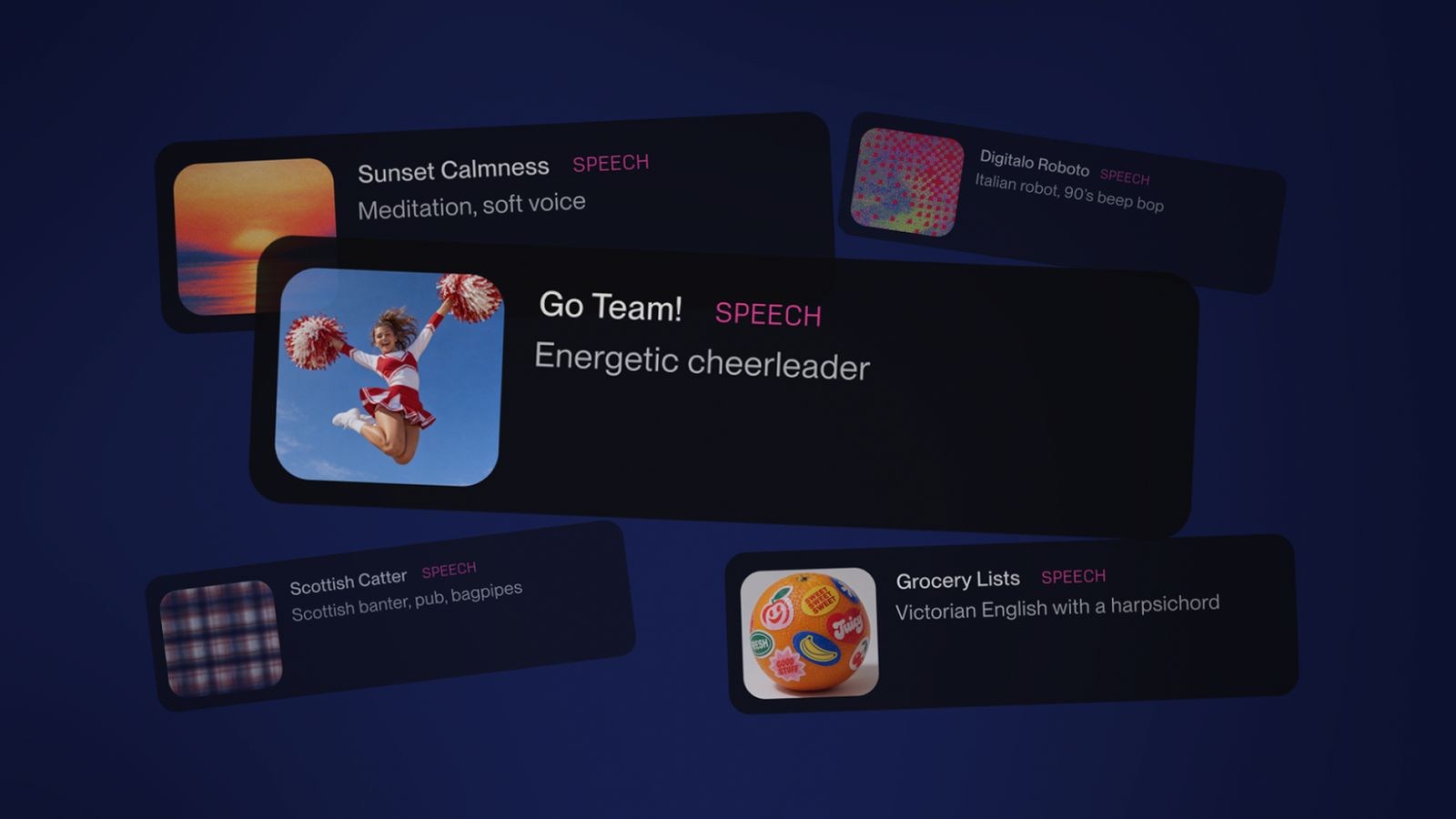
Suno introduced Speech in beta on October 1, allowing users to provide text and describe a desired voice and music style to generate spoken audio with original background music. The company opened the beta broadly after a smaller test and acknowledged issues such as accent drift and exaggerated pauses.
The product combines decisions that are often handled separately: narration, performance, and musical accompaniment. That can make a short story, poem, or personal message easier to produce. It also means a creator may receive one coherent result while having less direct control over each ingredient.
Begin with the words that cannot change
For any informational piece, approve the script before generating audio. Names, dates, numbers, and qualifications need to survive the performance intact. Listen against the written version and mark omissions or additions, rather than judging only whether the track sounds engaging.
A creative piece can allow more flexibility, but the intended meaning still matters. Music can make a neutral statement feel ominous or turn a serious passage into comedy. Treat the accompaniment as an editorial choice with an effect on interpretation.
Short segments are easier to review and replace. If one sentence is wrong, regenerating a long track may alter the voice, pacing, or music elsewhere. Plan the structure so revisions can be made without repeatedly disturbing material that already works.
Listen in the setting that matters
A mix that sounds balanced through headphones may be difficult to understand on a phone speaker. Test the intended listening environment, especially when the speech contains unfamiliar terms. Background music should support the words rather than compete with them.
Keep a plain-text version available. It helps readers who cannot use audio and gives editors a stable reference for future updates. For public-facing material, clearly distinguish an expressive synthetic performance from a recording of a real person speaking.
The beta label should shape expectations. Accent consistency and unusual pauses are issues the company itself identified. They are reasons to listen to the whole output before publication, not merely its opening seconds. A polished beginning does not establish that a longer generation remains consistent.
Suno Speech’s immediate appeal is convenience for creative audio. Its production value depends on whether a user can obtain the right performance, verify the words, and repair the parts that need work. A single-step generator can shorten the first draft while leaving the final editorial decisions with the person publishing it.
Have a correction or a useful perspective?
Get in touch with the publication.