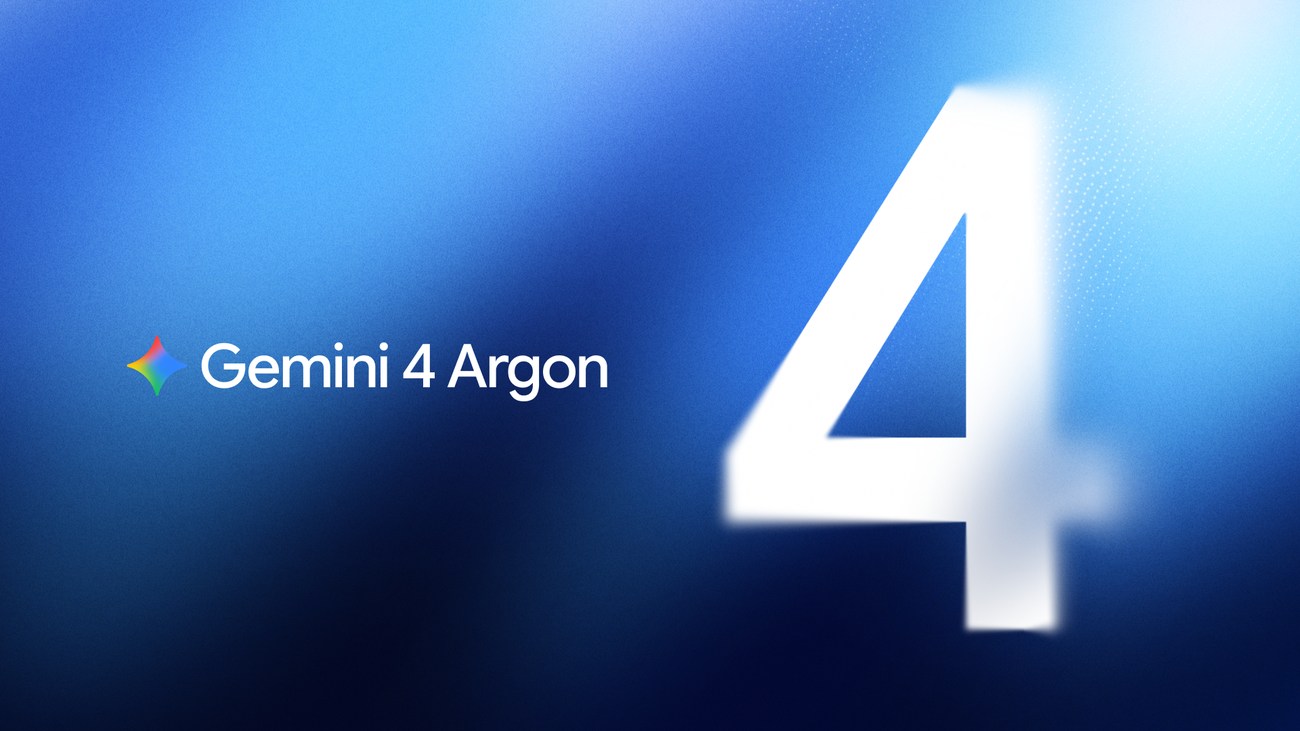
Google announced Gemini 4 Argon on September 30, initially rolling it out to trusted cyber defenders through the Fairwind Program. The company described stronger performance on long professional workflows and an output-token limit of one million. It said wider access for developers, enterprises, and consumers would follow a phased process as safeguards were refined.
The distinction between an announced model and a generally available service matters for planning. A team cannot assume that a promising benchmark or internal demonstration means its account can use the model on a particular date. Access conditions and production readiness should be treated as separate dependencies.
Long output is a workflow responsibility
A large generation limit makes room for extensive work, but it also increases the amount of material that must be checked. A lengthy migration plan can contain an early mistake that propagates through many later steps. More available output does not establish that those steps are mutually consistent.
Break long tasks into verifiable artifacts. For a software migration, those might include an inventory, a change plan, individual patches, test results, and an exception list. Each artifact gives the next stage a more reliable starting point and gives a reviewer a place to intervene.
Set a budget for both model activity and human review. A system that generates more work than a team can inspect may create a growing queue of unaccepted changes. Checkpoints should reduce uncertainty rather than merely summarize an increasingly large transcript.
Keep restricted pilots useful
When access is limited, choose a small number of representative tasks with clear success conditions. Record the environment, permissions, model configuration, and any intervention. That makes early experience useful when the service later expands or the configuration changes.
For defensive security work, keep testing within systems the organization is authorized to assess. Define how findings are reproduced and routed to the responsible maintainers. A suspected weakness is an investigation item until its conditions and impact are established.
Teams outside the initial access group can still prepare data, acceptance tests, and integration boundaries. That preparation survives changes to the rollout schedule and makes eventual comparisons less dependent on a launch demonstration.
Argon’s announcement is a signal about Google’s direction in long-running professional work. The immediate operational lesson is to plan around verified access and inspectable intermediate results. Capability becomes useful when the surrounding workflow can absorb, validate, and act on the additional work.
Have a correction or a useful perspective?
Get in touch with the publication.