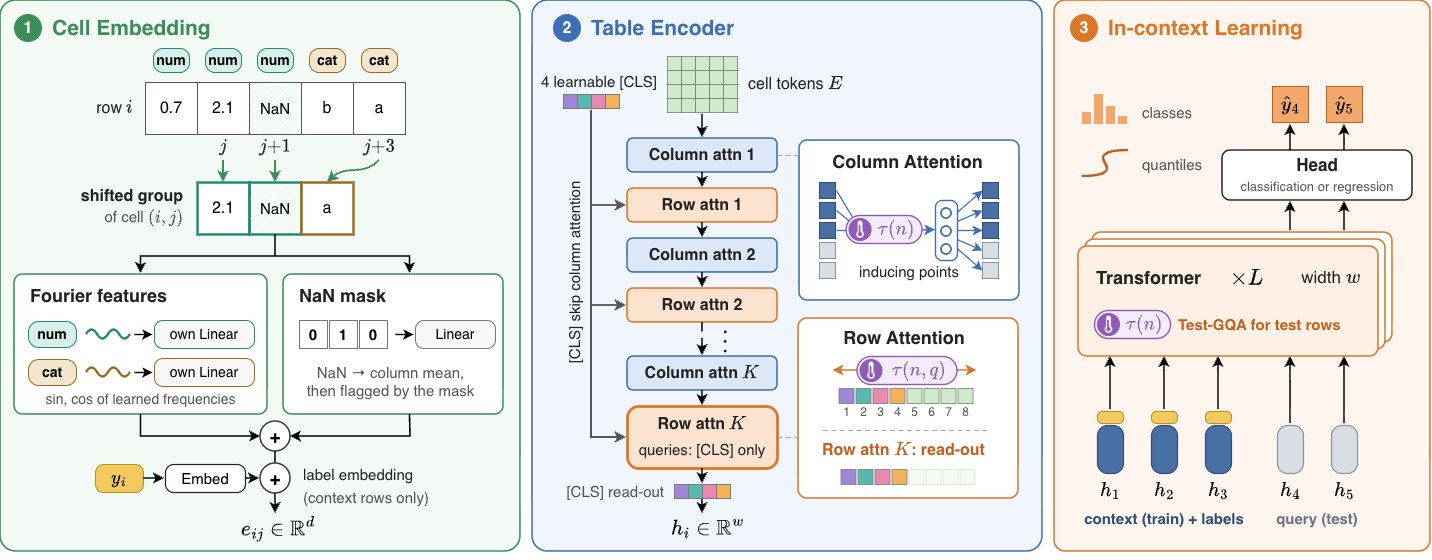
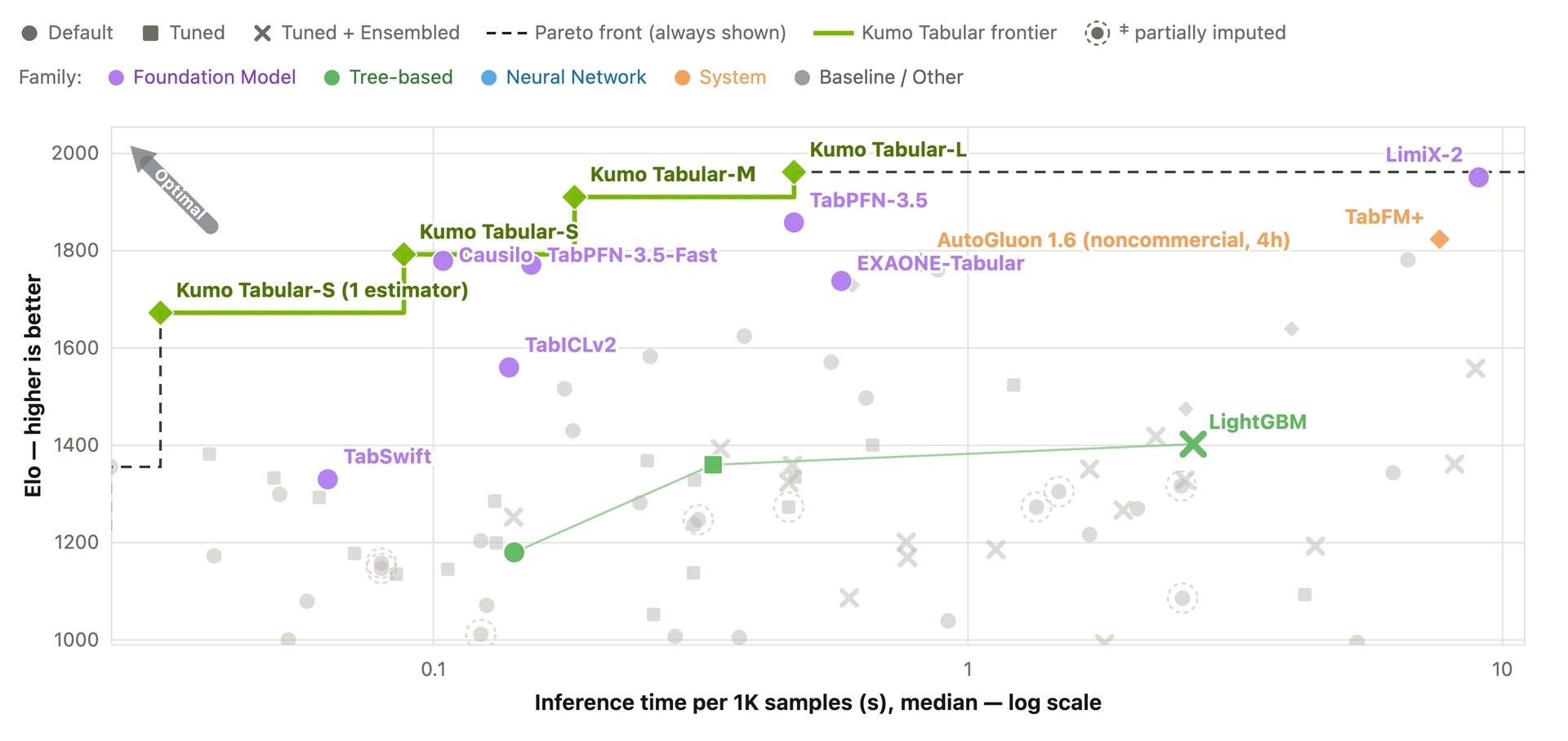
NVIDIA announced Kumo Tabular on September 29, an open foundation-model family for tabular classification and regression. The models use labeled rows as context and predict labels for new rows in a forward pass, without training a separate model for each table. The release offered three sizes from 28 million to 215 million parameters and described pretraining entirely on synthetic tables.
The practical attraction is a shorter path from a new dataset to a useful baseline. Many organizations repeatedly solve small prediction problems, each with its own training and tuning process. A model that can begin from labeled examples may reduce that setup effort.
The target still needs a definition
Before comparing algorithms, define exactly what is being predicted and when the prediction will be used. A customer-churn table can accidentally include information recorded after cancellation. A model may then perform extremely well in an evaluation while relying on facts unavailable at the real decision point.
Build the evaluation split around deployment conditions. If the model will predict next month’s outcomes, a time-based split can be more informative than randomly mixing past and future records. If several rows describe the same customer, keep related records together where appropriate to avoid an unrealistically easy test.
Compare against a simple baseline and an established tabular approach under the same split. The goal is to learn whether the new method improves the decision, reduces preparation time, or both. A sophisticated model should earn its place through that comparison.
Probabilities need a business use
A classification score does not choose the organization’s action threshold. For a support-priority model, missing an urgent case may cost more than reviewing an extra routine case. Choose the threshold using those consequences and the team’s available review capacity.
Inspect performance on relevant subgroups and unusual conditions. A strong average can hide poor results for a small but important segment. Missing values, new category names, and shifts in how data is collected should be represented in the evaluation.
Because labeled rows become inference context, access control and data handling remain part of the serving design. Determine which examples a request can use, how the context is refreshed, and whether prediction logs contain sensitive records.
Kumo Tabular’s release makes a different modeling workflow available for everyday structured data. Removing per-table training does not remove the need to define the target, prevent leakage, and validate decisions. Those steps determine whether faster experimentation becomes a reliable improvement in production.
Have a correction or a useful perspective?
Get in touch with the publication.

