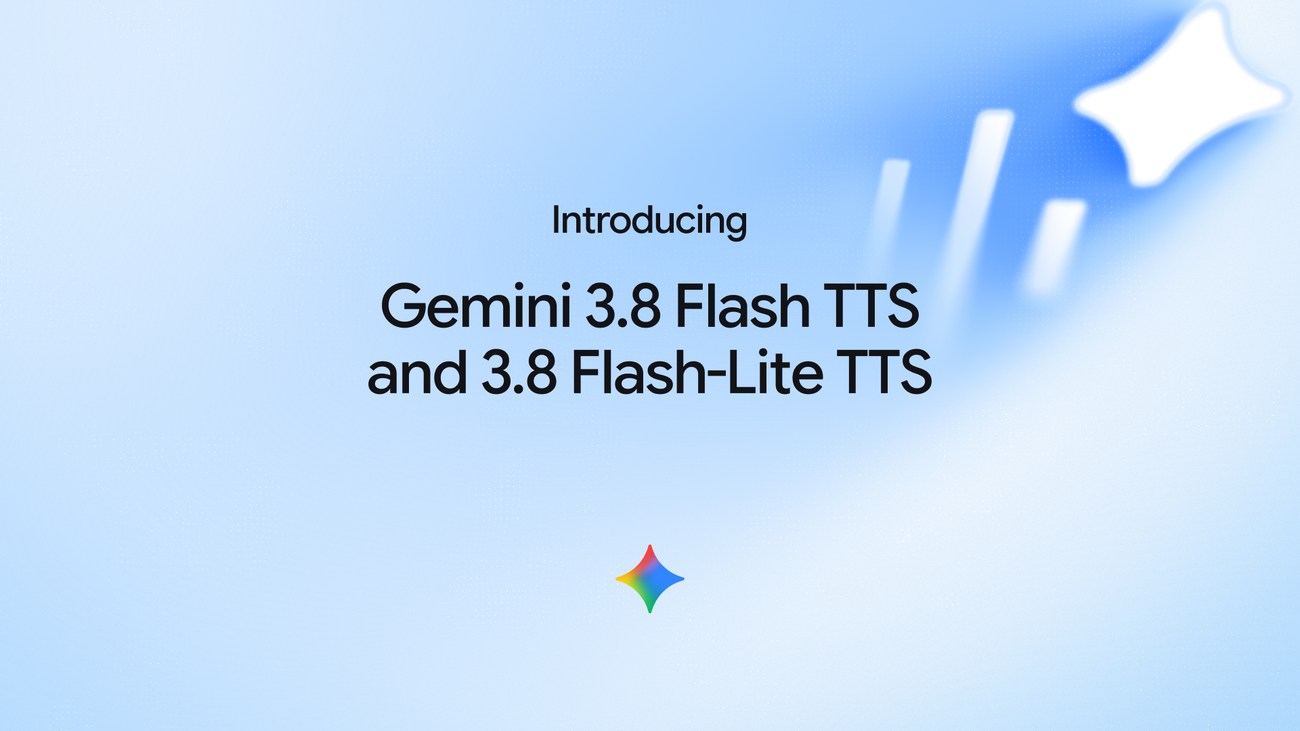
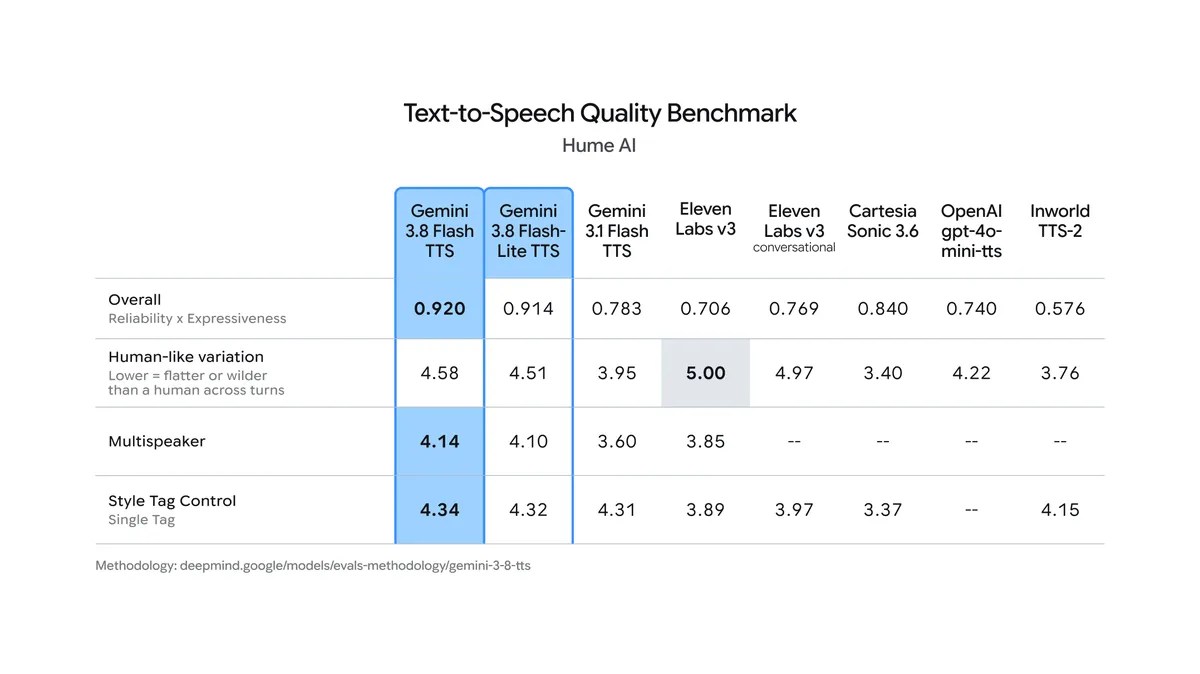
Google introduced Gemini 3.8 Flash TTS and Flash-Lite TTS on September 23. The announcement described natural-language voice design, line-by-line performance direction, long-form audio, and two-speaker scenes across more than 100 languages. Flash TTS also offered voice replication from a 30-second sample, with consent verification and provenance measures described as part of the system.
The editorial opportunity is more specific than making text sound natural. A publisher can define how a recurring narrator should handle emphasis, character changes, and regional pronunciation. That creates a production workflow closer to directing a performance than selecting a voice from a fixed menu.
Separate the script from the performance
Keep the approved words in one versioned document and the delivery instructions in another clearly identified layer. An editor should be able to change pacing without accidentally changing a statistic or a product name. For a news briefing, the spoken factual content must still match the text that was checked.
Create a short pronunciation list for names, abbreviations, and specialized terms. Test it before rendering a long program. Correcting one recurring error after dozens of episodes have been generated is considerably more work than establishing the preferred pronunciation at the start.
Two-speaker scenes introduce a separate quality check: who said what. Listen for voice consistency, turn boundaries, and passages where performance cues leak into the spoken output. An expressive reading is only useful if listeners can follow the intended speaker and meaning.
Design for revision
Long audio should be divided at editorially meaningful boundaries. Preserve the settings and script for each segment, then check transitions after replacement. A system may generate a convincing passage in isolation while making a repaired paragraph sound noticeably different from its neighbors.
For a replicated voice, document the permission covering the project and the intended uses. A technical consent check and an internal record serve different purposes: the first supports the generation workflow, while the second tells future editors what they may publish. Avoid treating possession of an audio sample as the whole permission record.
The Flash and Flash-Lite positioning also suggests testing production volume separately from creative flexibility. A short, carefully directed feature and a large catalog of routine narration may have different requirements. The release expands the available controls; a repeatable script, pronunciation, listening, and revision process determines whether those controls produce dependable audio.
Have a correction or a useful perspective?
Get in touch with the publication.