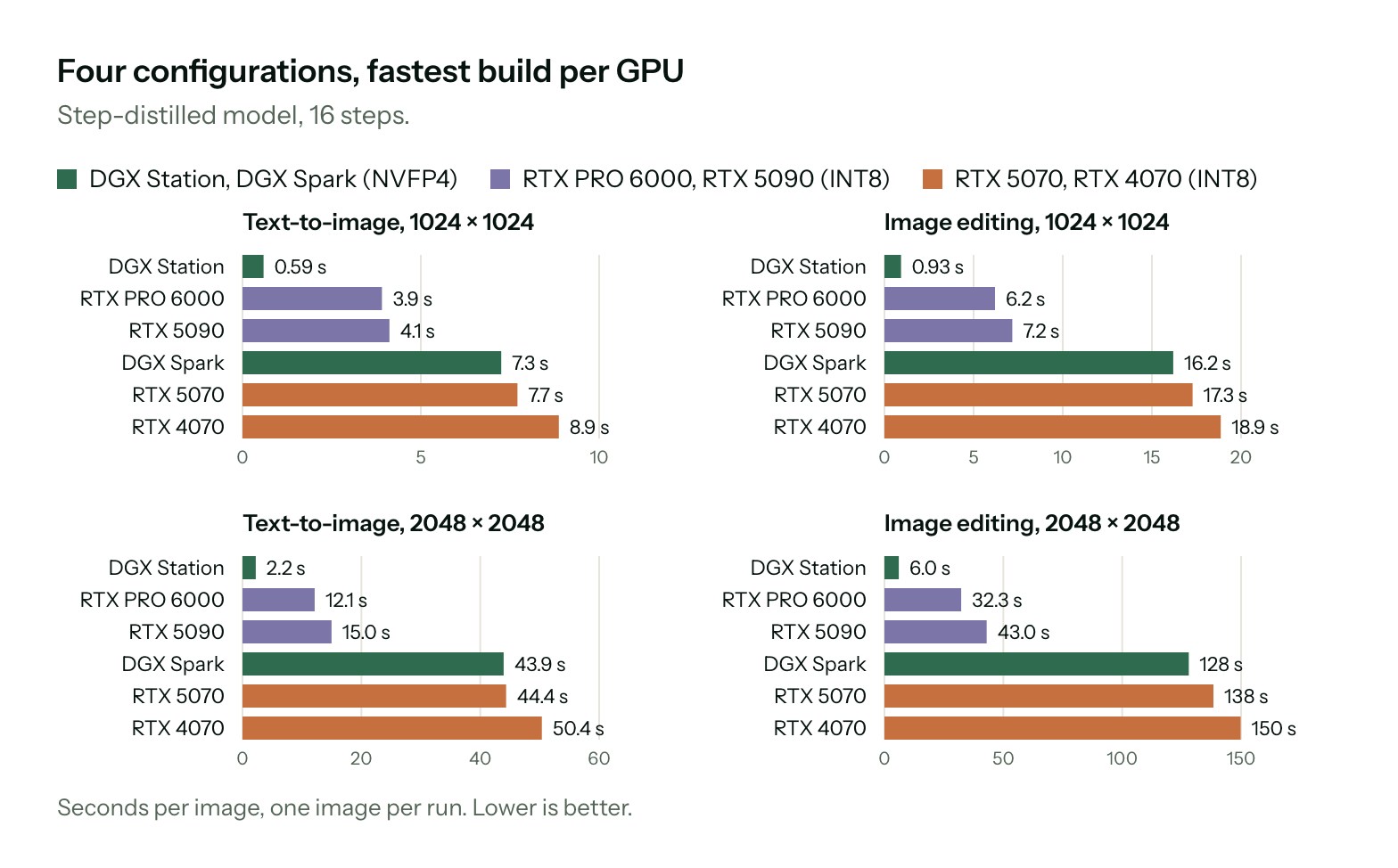
Black Forest Labs released FLUX 3 Image Klein on October 15 as a 5.6-billion-parameter open-weight image model. The release supports text-to-image generation, editing, and generation using up to ten reference images. It includes a base checkpoint for customization and a distilled version for lower latency, under the FLUX Kommunity License.
The company also describes placement controls through bounding boxes and support for local operation with several numerical formats. Its speed and quality figures are vendor measurements. For a creative workflow, the more useful question is whether the model can make a requested change while preserving everything that should remain consistent.
Reference images need assigned jobs
Multiple references can be helpful when a brief combines a product, a setting, and a visual treatment. They can also conflict. A practical prompt should explain which reference supplies the subject, which supplies the composition, and which is only a mood reference. Without that distinction, a model may merge details that the designer intended to keep separate.
Test with a deliberately constrained fictional product. Ask for the same object in several scenes, then compare shape, color, proportions, and small identifying details. A beautiful image that changes the object is a failed production asset even if it would score well as a standalone illustration.
Editing quality is about the untouched region
A localized edit has two acceptance conditions: the requested area changes correctly, and the rest of the image remains suitable. Save the original and compare both conditions. If a background adjustment subtly alters a face or a product label, the reviewer needs to see that before the asset moves into a campaign.
Placement controls can make the test more precise. Reserve space for a heading, keep the subject inside a specified area, and check the composition at the final publishing size. The aim is a repeatable layout relationship, not merely compliance with a coordinate instruction.
Local deployment changes the production budget
Open weights offer room for customization and operational control, but running a model also requires memory, compatible software, and time to maintain the environment. Generator parameter count alone does not describe all memory used by a pipeline. Reference images, resolution, encoders, and other components can change the practical requirement.
Compare the base and distilled options on the actual workload before deciding that lower latency is always preferable. A quick draft may be ideal for exploration, while a final asset can justify more computation. Keep the checkpoint, settings, references, and edit history with approved work.
FLUX 3 Image Klein is most interesting where teams need controllable iteration. The production test is whether its combination of references, editing, and local customization reduces the distance between a brief and an approved result.
Have a correction or a useful perspective?
Get in touch with the publication.