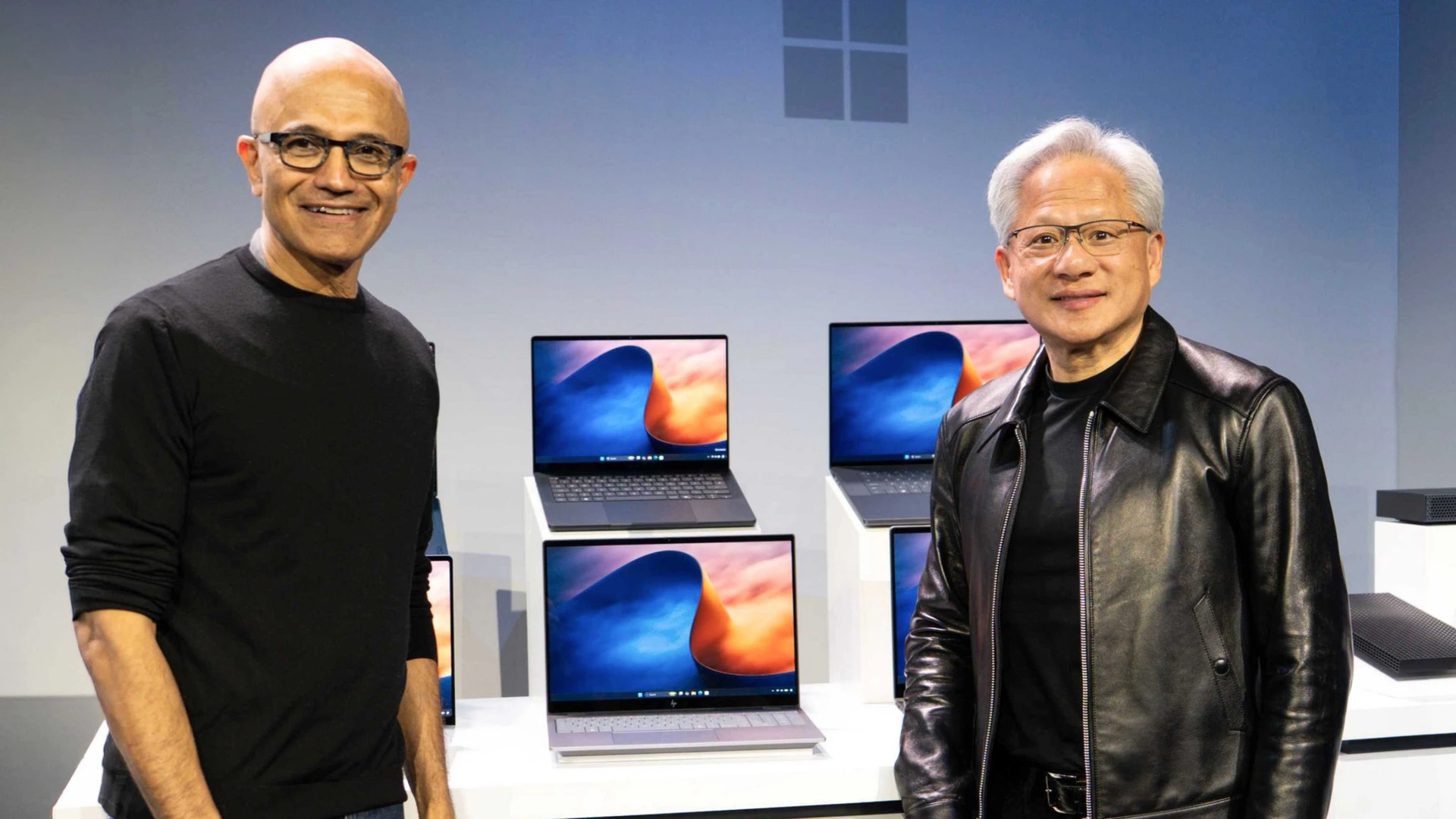
NVIDIA and Microsoft outlined a Windows platform for local AI agents at an October 7 event. NVIDIA announced RTX Spark laptop preorders, with availability scheduled for October 16, and previewed DGX Station for Windows. The laptop platform offers configurations with up to 128GB of unified memory. Microsoft also announced general availability of Microsoft Execution Containers, infrastructure intended to govern agents running in the background.
The combination matters because local AI needs both room to run a model and a reliable place to execute its work. More memory can make a model fit. It does not, by itself, make an agent easy to supervise, update, or recover after a failed task.
Start with the reason to run locally
Different buyers mean different things by local AI. A developer might want predictable access during experimentation. A design team might want fast interaction with large files already on a workstation. Another organization may want selected documents to stay within a managed device environment. Each reason leads to a different test.
For predictable access, compare sustained performance during a full workday. For large-file workflows, measure the time spent moving and preparing data as well as model response time. For sensitive documents, examine the whole application: a locally running model can still send information through a connected tool. Hardware location and data-flow policy are related questions, but they are not interchangeable.
A laptop has competing jobs
An always-running assistant shares memory, power, and cooling with the applications its owner uses. A demonstration with one model and an idle desktop may not represent a video call, a development build, and several agent sessions running together. Buyers should test that combined workload before treating peak specifications as an everyday experience.
The choice between a laptop and a dedicated desktop also changes operations. A portable device sleeps, changes networks, and travels with its owner. A task expected to finish overnight needs a plan for interruptions and an understandable way to resume. A dedicated machine may be easier to schedule but adds another system to maintain.
Purchase price is only one part of the comparison with hosted inference. Include utilization, support, model updates, and the hours spent diagnosing local failures. A machine that spends most of its time idle may be convenient without being economical. Conversely, a heavily used workflow with stable requirements may benefit from owning its capacity.
The Windows announcements broaden the available options. The buying decision should follow a measured workload and a clear operational need, rather than assuming that every agent becomes better simply by moving onto a personal computer.
Have a correction or a useful perspective?
Get in touch with the publication.